

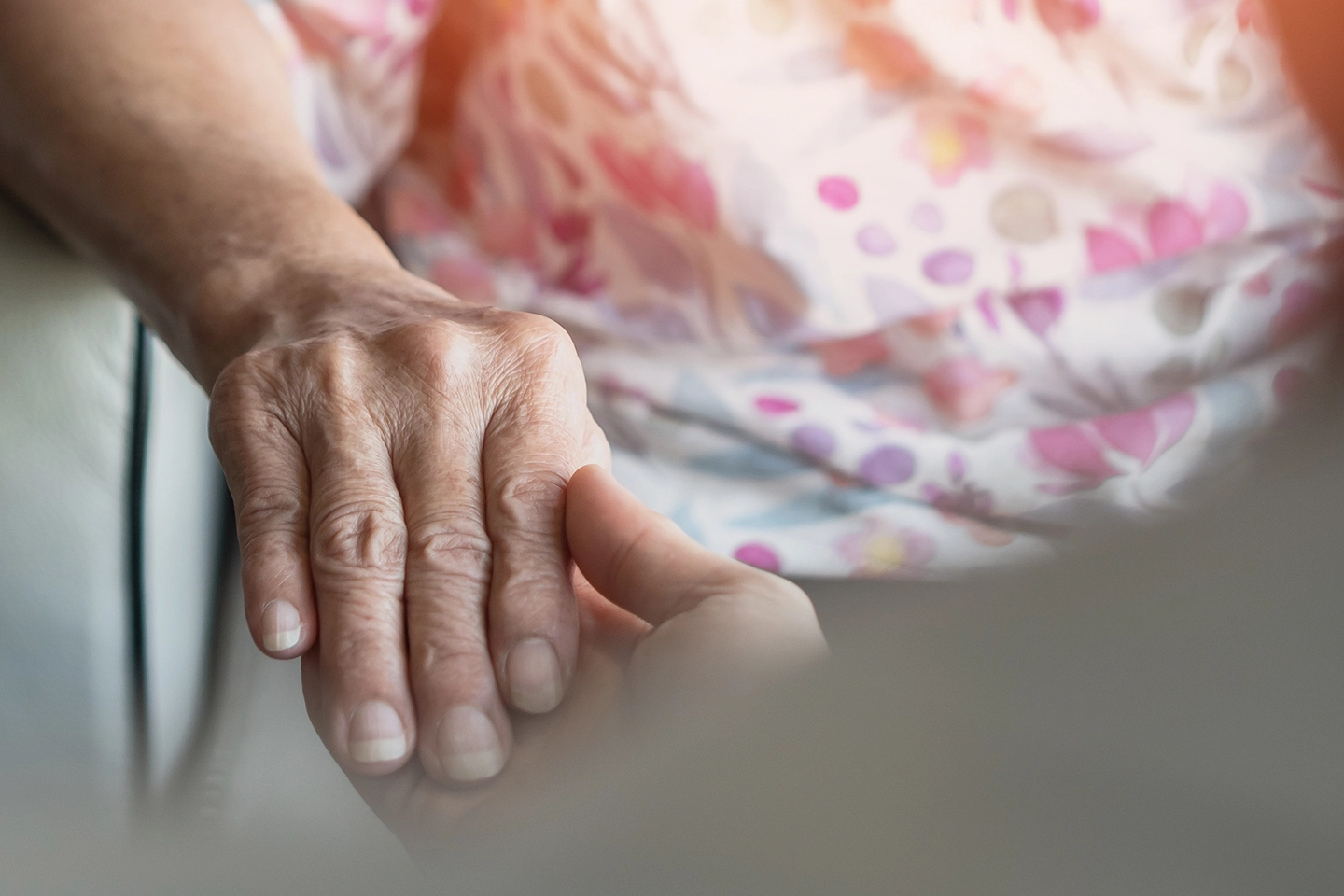
Palliative Homecare: Compassionate Support for End-of-Life Comfort
Palliative homecare provides compassionate, specialised support for individuals nearing the end of life. By focusing on physical, emotional, and psychological care, patients can receive professional treatment in the comfort of their own homes. This not only promotes familiarity and dignity but also ensures a peaceful, respectful experience surrounded by loved ones.
This guide explains what palliative home care is, how it differs from hospice care, its role in symptom management, the importance of family involvement, financial benefits, and personalised care plans tailored to each patient’s unique needs.
‘’Palliative homecare ensures dignity in the final days, offering patients a peaceful, respectful end-of-life experience surrounded by loved ones.’’
What is Palliative Homecare?
Definition and Purpose of Palliative Care at Home
Palliative home care is specialised medical care provided at home for individuals with serious or terminal illnesses. Unlike curative treatments, the focus is on comfort, symptom management, and emotional support. By receiving care at home, patients can remain in familiar surroundings, which enhances emotional well-being while addressing physical, spiritual, and psychological needs.
How Palliative Care Differs from Hospice Care
While both palliative and hospice care improve quality of life, they serve different stages of illness.
Palliative care: Offered at any stage of illness, often alongside curative treatments.
Hospice care: Specifically for patients nearing the end of life when curative treatment is no longer an option.
Palliative home care supports patients and families earlier in the journey, helping manage symptoms and maintain quality of life while allowing patients to remain at home.
The Role of Palliative Homecare in Symptom Management
Managing Pain and Physical Symptoms at Home
Homecare professionals specialise in relieving pain and managing distressing symptoms such as fatigue, nausea, and difficulty breathing. Through medications, medical equipment, and tailored home treatments, care teams ensure patients remain comfortable. Regular assessments allow adjustments to care plans to maximise relief and comfort.
Emotional and Psychological Comfort for Patients and Families
Palliative home care also prioritises emotional well-being, offering counselling, companionship, and mental health support for patients and families. By addressing anxiety, depression, and emotional stress, homecare ensures a calmer, more supportive environment during a challenging time.
Palliative Homecare for Elderly Patients: A Special Focus
Elderly patients often face complex health challenges due to chronic conditions. Palliative home care tailors care plans to meet these unique needs, reducing stress and confusion. Being cared for at home allows seniors to remain in a familiar environment, helping prevent disorientation and anxiety while providing comfort and emotional security.
Family Involvement in Palliative Homecare
Supporting Family Members During End-of-Life Care
Family members play a vital role in palliative home care. Homecare professionals work closely with families to ensure they feel supported during the end-of-life process. They provide practical guidance on managing care, offer emotional support, and even provide respite care to give families time to rest. By involving family members in the care plan, palliative home care creates a more cohesive and compassionate environment for the patient.
Balancing Professional and Family Caregiving Roles
A seamless balance between professional caregivers and family members is essential in palliative home care. Professionals ensure medical needs are met, while families provide personal and emotional care. Clear boundaries are established to allow both parties to work together effectively. This collaboration reduces the burden on family caregivers, ensuring they can focus on meaningful time with their loved ones without feeling overwhelmed by medical responsibilities.
Benefits of Palliative Homecare vs. Hospital or Hospice Care
Why Patients Choose Palliative Care at Home
Many patients prefer palliative home care over hospital or hospice settings because of its comfort and familiarity. Staying at home allows patients to be surrounded by loved ones and maintain a sense of normalcy during their final days. Personal surroundings and individualised care make homecare appealing for those seeking a more intimate and less clinical end-of-life experience. Home care also gives patients more control over their care environment and routines.
Financial Benefits of Palliative Homecare
Palliative home care is often more cost-effective than hospital or hospice care. Families can access financial support through government programs, health insurance, or local grants to cover homecare services. This allows many families to choose palliative home care without the financial strain often accompanying institutional care. Understanding the available funding options can make a significant difference in ensuring patients receive quality end-of-life care in their homes.
Tailoring Palliative Homecare to Individual Needs
Personalised Care Plans for Terminally Ill Patients
Palliative home care is highly personalised, with care plans tailored to meet each patient’s needs and preferences. Medical professionals work with patients and families to develop a comprehensive plan that covers symptom management, emotional support, and end-of-life wishes. These adaptable plans ensure that care evolves with the patient’s changing needs. This personalised approach ensures that the patient’s comfort and dignity remain top priorities.
The Role of Multidisciplinary Teams in Palliative Homecare
Multidisciplinary teams play a crucial role in delivering effective palliative home care. These teams typically include doctors, nurses, social workers, and caregivers who work together to provide holistic care. Each professional brings specialised skills to address the patient’s medical, emotional, and social needs. This team-based approach ensures that all aspects of a patient’s care are addressed, creating a well-rounded support system for the patient and their family.
Ensuring Dignity in Final Days
Palliative Homecare as a Dignified Option for End-of-Life Care
One of the most important aspects of palliative home care is its ability to provide a dignified end-of-life experience. Patients can reside in their homes, surrounded by family and familiar comforts. This level of care allows them to retain control over their final days, making it profoundly personal and respectful. Palliative home care emphasises honouring patients’ wishes and preserving their dignity.
Preparing for End-of-Life at Home: What Families Need to Know
Families play a crucial role in preparing for end-of-life care at home. This includes organising legal documents, ensuring the home environment is suitable, and considering spiritual or emotional needs. Palliative home care professionals guide families through the process, helping them understand what to expect and offering resources to make the transition smoother. By preparing thoroughly, families can focus on providing loving care and comfort in their loved one’s final days.
The Importance of Palliative Homecare in Final Days
Palliative home care provides critical comfort and support during the final stages of life. Personalised, holistic care in the familiar home setting ensures patients can spend their last days with dignity and peace. Family involvement is integral to this process, with homecare professionals offering guidance and emotional support. For families in Northern Ireland, palliative homecare provides an invaluable option for making end-of-life care more personal and meaningful.
Explore your options for palliative home care today with Connected Health. Ensuring dignity and comfort for your loved ones is our priority, and our dedicated professionals are here to guide you through every step of the process.